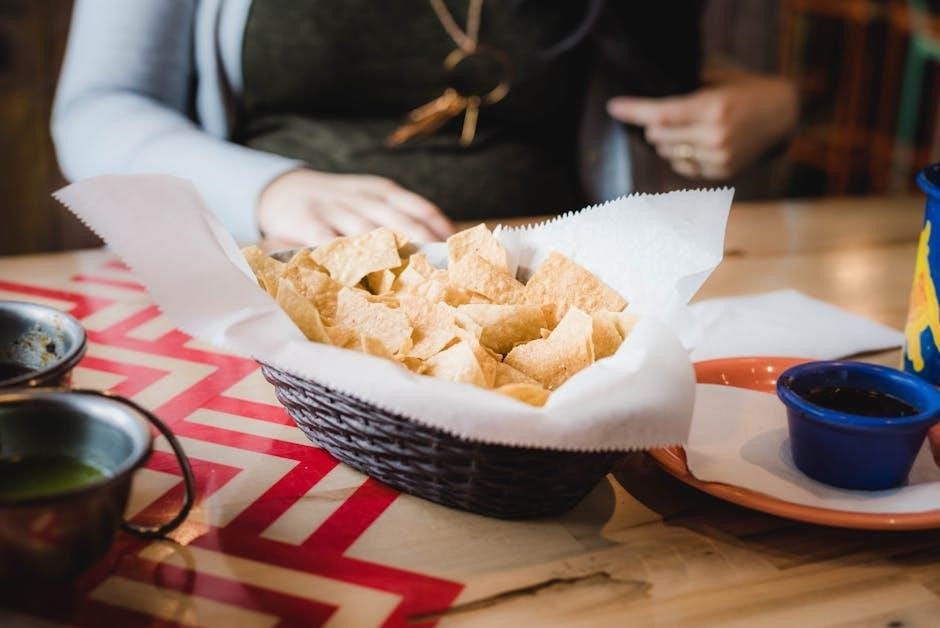
uncle julio’s allergen menu pdf
Uncle Julio’s Allergen Menu PDF: A Comprehensive Guide (Updated 03/31/2026)
This guide provides crucial details regarding allergen information at Uncle Julio’s, offering a downloadable PDF for guests with dietary restrictions as of today’s date.
Navigating dining out with food allergies or sensitivities requires careful planning and readily available information. Uncle Julio’s understands the importance of catering to guests with diverse dietary needs, and as of March 31, 2026, provides comprehensive allergen information to ensure a safe and enjoyable dining experience. This commitment extends to a dedicated allergen menu, typically available in PDF format, detailing potential allergens present in each menu item.
Understanding these potential allergens – including gluten, dairy, soy, nuts, and shellfish – is paramount for individuals managing these conditions. Uncle Julio’s aims to empower guests to make informed choices, minimizing risks and maximizing peace of mind. The following sections will delve into the specifics of accessing this information, decoding the allergen key, and identifying suitable options, ultimately guiding you through a worry-free meal at Uncle Julio’s.
Understanding Allergen Menus & PDF Availability
Allergen menus are specialized documents created by restaurants to clearly identify potential allergens within their dishes. These menus aren’t replacements for direct communication with your server, but serve as a valuable resource for preliminary research. Uncle Julio’s provides an allergen menu, frequently offered as a downloadable PDF, allowing guests to review ingredients and potential cross-contamination risks before arriving or while at the restaurant.
The PDF format ensures easy access on various devices, facilitating convenient planning. Availability may vary; checking the official Uncle Julio’s website is recommended. These menus utilize a key or coding system to denote the presence of common allergens. Familiarizing yourself with this key is crucial for accurate interpretation. Remember, ingredient lists can change, so always verify the most current version of the PDF for the most up-to-date information.
Common Allergens at Uncle Julio’s
Uncle Julio’s allergen menu focuses on major concerns: gluten, dairy, soy, nuts (peanuts & tree nuts), and shellfish, impacting many dining choices.
Gluten & Wheat Allergies
For guests navigating gluten and wheat allergies at Uncle Julio’s, careful menu navigation is essential. Many menu items inherently contain wheat, utilized in tortillas, thickening agents for sauces, and even as a component in some marinades. The official allergen menu PDF details which dishes can be modified or are naturally gluten-free.
Corn tortillas are generally a safe alternative, but cross-contamination remains a significant concern. Fajitas, while seemingly simple, may be marinated in sauces containing wheat. Enchiladas, predictably, utilize flour tortillas. Guests should specifically inquire about gluten-free preparation methods and potential cross-contact during cooking.
It’s crucial to communicate the severity of the allergy to the server to ensure appropriate precautions are taken in the kitchen. While Uncle Julio’s strives to accommodate dietary needs, complete elimination of gluten exposure cannot always be guaranteed due to shared kitchen spaces and equipment.
Dairy & Lactose Intolerance
Individuals with dairy allergies or lactose intolerance require diligent attention to the Uncle Julio’s menu. Dairy products are prevalent, appearing in cheeses, creams, and sauces throughout many dishes. The comprehensive allergen menu PDF is a vital resource for identifying safe options and potential hidden dairy ingredients.
Many of Uncle Julio’s signature sauces, including certain queso dips and creamy cilantro dressings, contain dairy. Fajitas, while the meat itself may be dairy-free, are often served with dairy-based toppings. Enchiladas frequently incorporate cheese and sour cream. Guests can request substitutions, such as omitting cheese or requesting sauces without dairy, but cross-contamination is a possibility;
Clearly communicating the allergy or intolerance to the server is paramount. Requesting information about ingredient lists and preparation methods can help minimize risk. While modifications are often possible, complete avoidance of dairy cannot be fully assured due to shared kitchen environments.
Soy Allergies & Sensitivities
For guests navigating a soy allergy or sensitivity, the Uncle Julio’s allergen menu PDF is an indispensable tool. Soy, in various forms, can be found in marinades, sauces, and processed ingredients used throughout the menu. Identifying these hidden sources is crucial for a safe dining experience.
Soy sauce is a common ingredient in many Mexican-inspired dishes, including marinades for grilled meats and some sauces. Certain vegetable oils used in frying or cooking may also contain soy. Even seemingly simple items like tortillas could potentially contain soy-derived ingredients. Careful review of the allergen menu is essential.
Communicating the allergy clearly to the server and inquiring about ingredient lists is highly recommended. Requesting modifications, such as omitting soy sauce or ensuring soy-free oil is used, may be possible. However, cross-contamination remains a concern in a busy kitchen environment.
Nut Allergies (Peanuts & Tree Nuts)
The Uncle Julio’s allergen menu PDF is paramount for individuals with peanut or tree nut allergies. These allergies are among the most severe and require diligent attention to ingredient lists and potential cross-contamination. While not prominently featured in traditional Mexican cuisine, nuts can appear in unexpected places.
Certain sauces, particularly mole sauces, historically contain nuts. Desserts, like flan or churros, may also incorporate nut-based ingredients or be processed in facilities handling nuts. Even garnishes or toppings could pose a risk. Thoroughly scrutinizing the allergen menu PDF is vital before ordering.
Always inform your server about the allergy and emphasize the severity. Inquire about the preparation methods and potential for cross-contamination in the kitchen. Requesting a dish prepared in a separate area, if possible, can minimize risk. Vigilance is key to a safe meal.
Shellfish Allergies
For guests with shellfish allergies, the Uncle Julio’s allergen menu PDF is an indispensable resource. While a traditional Mexican restaurant might not immediately suggest shellfish concerns, cross-contamination and hidden ingredients necessitate careful review. Shellfish allergies are often severe, demanding strict avoidance.
Although Uncle Julio’s primarily focuses on Tex-Mex cuisine, certain ingredients or cooking processes could introduce shellfish exposure. Sauces, broths, or even shared frying oil may contain traces of shellfish. It’s crucial to remember that even minimal contact can trigger a reaction.
Always communicate your allergy clearly to your server. Inquire about ingredient sourcing and preparation methods. Request that your meal be prepared in a dedicated area, away from shellfish-containing items. Double-checking with a manager can provide added reassurance and safety.
Navigating the Uncle Julio’s Allergen Menu
Successfully utilizing the Uncle Julio’s allergen PDF requires understanding its key, locating the document, and identifying suitable, safe menu choices for your needs.
Locating the Official Allergen Menu PDF
Finding the most current Uncle Julio’s allergen menu PDF is paramount for diners with sensitivities or allergies. While a direct link isn’t consistently provided in search results as of today, March 31st, 2026, the primary source is the official Uncle Julio’s website. Navigate to their website – typically unclejulios.com – and search for “allergen menu” or “dietary information” using the site’s search function.
Alternatively, explore the “Contact Us” or “FAQ” sections; the PDF is often hosted there. If direct access proves difficult, contacting Uncle Julio’s customer support directly via phone or their online contact form is recommended. Request the latest allergen menu PDF, specifying the date (03/31/2026) to ensure you receive the most up-to-date version. Be cautious of third-party websites offering allergen information, as accuracy cannot be guaranteed. Always prioritize the official source for reliable data.
Decoding the Allergen Key
The Uncle Julio’s allergen menu PDF utilizes a specific key to clearly indicate the presence of common allergens within each menu item. Understanding this key is crucial for safe dining. Typically, allergens like gluten, dairy, soy, peanuts, tree nuts, and shellfish are represented by abbreviations or symbols. For example, “G” might denote gluten, “D” for dairy, and so on.
The PDF should include a legend explaining each symbol or abbreviation. Pay close attention to warnings regarding potential cross-contamination, often indicated by phrases like “May contain traces of…” or similar disclaimers. A lack of an allergen listing doesn’t guarantee complete absence; always confirm with your server. Thoroughly review the key before selecting your meal, and don’t hesitate to ask staff for clarification if any aspect remains unclear. Prioritize your health and safety by carefully interpreting the allergen information provided.
Identifying Allergen-Free Options
Successfully navigating the Uncle Julio’s menu with allergies requires a systematic approach. Begin by focusing on naturally allergen-free ingredients. Grilled meats, plain rice, and certain vegetables often serve as safe starting points, but always verify with the allergen menu PDF. Look for dishes explicitly labeled as “gluten-free,” “dairy-free,” or “nut-free,” though double-checking the full ingredient list is still recommended.
Be cautious of marinades, sauces, and toppings, as these frequently contain hidden allergens. The PDF will detail these components. Don’t assume a dish is safe based on its name alone; Communicate your allergies clearly to your server and request modifications where possible. Building your meal from individual components allows greater control over allergen exposure. Remember, proactive questioning and careful review of the allergen key are essential for a worry-free dining experience.
Specific Menu Item Allergen Breakdown
This section details allergen specifics for popular Uncle Julio’s items – fajitas, enchiladas, sides, salsas, and desserts – as outlined in the PDF.
Fajitas & Grilled Items – Allergen Considerations
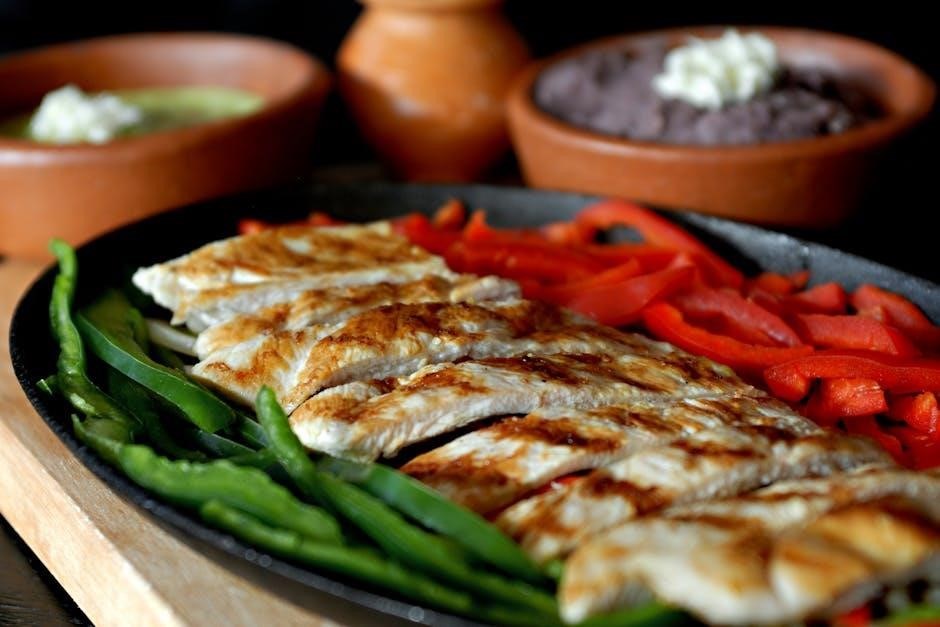
Uncle Julio’s fajitas and grilled items present several potential allergen concerns, demanding careful review of the official allergen menu PDF. Marinades frequently contain soy, a common allergen, and may also include wheat derivatives. Grilled meats themselves are generally free of major allergens, but cross-contamination during preparation is a significant risk.
The accompanying sauces, such as chimichurri or garlic butter, often incorporate dairy. Guests with nut allergies should be particularly cautious, as some marinades or seasonings might contain trace amounts of tree nuts or be processed in facilities handling them. The PDF details specific ingredients for each fajita option (beef, chicken, shrimp) and grilled proteins, allowing informed choices. Always confirm preparation methods with your server to minimize cross-contact risks, especially regarding shared grills and utensils. Shrimp fajitas, naturally, pose a shellfish allergy concern.
Enchiladas & Combination Plates – Allergen Details
Uncle Julio’s enchiladas and combination plates require diligent allergen scrutiny via the official PDF menu. Enchilada sauces commonly contain wheat flour as a thickening agent and may include traces of soy. Cheese-filled enchiladas, naturally, present a dairy allergen. Combination plates, offering a variety of items, amplify the risk of cross-contamination and hidden allergens.
The PDF details specific enchilada fillings (cheese, chicken, beef) and their corresponding sauce ingredients. Combination plates often include rice and beans; verify if these are prepared with any allergenic ingredients or shared cooking equipment. Guests with nut allergies should inquire about the presence of nuts in mole sauces or garnishes. Requesting ingredient lists from your server is crucial. Be aware that fried items within combination plates may have shared fryers, increasing the risk of cross-contact with shellfish or other allergens.
Sides & Appetizers – Allergen Information
Navigating Uncle Julio’s sides and appetizers requires careful review of the allergen PDF. Many appetizers, like quesadillas and nachos, contain wheat in the tortillas and dairy in the cheeses. Guacamole, while seemingly safe, may contain hidden allergens depending on preparation methods – confirm ingredients with your server; Rice and beans, common sides, could be cooked with ingredients containing soy or be subject to cross-contamination;
The official PDF details specific ingredients in each side dish. Fried sides, such as fried potatoes or plantains, pose a significant cross-contamination risk due to shared fryers. Individuals with nut allergies should be cautious of any dishes containing spices or sauces, as these may have been processed in facilities handling nuts. Always verify preparation methods to minimize exposure, and don’t hesitate to ask about potential shellfish exposure from shared cooking surfaces.
Salsa & Sauces – Allergen Content
Uncle Julio’s vibrant salsas and sauces, while flavorful, require diligent allergen scrutiny. The allergen PDF reveals that some salsas contain soy in the form of soybean oil or modified food starch. Creamy sauces, like queso, are inherently high in dairy and should be avoided by those with lactose intolerance. Certain chili sauces may incorporate wheat as a thickening agent, posing a risk for gluten sensitivities.
Cross-contamination is a concern, particularly with sauces prepared in shared facilities. Individuals with nut allergies should inquire about the presence of nut-derived ingredients or potential cross-contact during sauce production. The official allergen menu details specific ingredients; however, recipes can change. Always confirm with your server regarding current allergen information. Be especially cautious of pre-made sauces, as ingredient lists may not be readily available, and potential shellfish derivatives could be present.
Desserts – Allergen Warnings
Uncle Julio’s dessert selection, while tempting, presents significant allergen challenges. The allergen menu PDF clearly indicates that most desserts contain dairy, wheat, and often soy. Cakes and flans frequently utilize wheat flour and dairy-based creams. Ice cream, a popular choice, almost invariably contains dairy and may have traces of nuts due to shared processing equipment.
Chocolate-based desserts can also harbor hidden allergens, including soy lecithin. Individuals with severe allergies should exercise extreme caution. Cross-contamination is a major concern in the dessert preparation area. Always confirm ingredient lists with your server and inquire about potential cross-contact. The official allergen guide is updated regularly, but verifying current information is crucial. Be aware that even seemingly simple desserts may contain unexpected allergens, and shellfish derivatives are unlikely but possible in certain ingredients.
Cross-Contamination Risks at Uncle Julio’s
Despite precautions, cross-contamination is possible in the kitchen; diligent communication with staff regarding allergies and safe food preparation is essential.
Kitchen Practices & Allergen Awareness
Uncle Julio’s strives to maintain high standards of kitchen hygiene and allergen awareness, though complete elimination of risk is challenging. Staff receive training on common allergens and proper food handling procedures to minimize cross-contamination. Dedicated preparation areas, while not always feasible for every allergen, are considered where possible. Utensils and cooking surfaces are cleaned thoroughly between preparing dishes with different allergen profiles.
However, a busy kitchen environment inherently presents risks. Shared fryers, grill surfaces, and ingredient storage can contribute to unintentional allergen transfer. The restaurant acknowledges these potential issues and emphasizes the importance of transparent communication with guests. It’s crucial to remember that while Uncle Julio’s takes precautions, individuals with severe allergies must proactively inform their server and inquire about potential cross-contamination risks associated with their chosen menu items.
Communicating Allergies to Your Server
Open and clear communication with your server is paramount when dining at Uncle Julio’s with allergies. Don’t hesitate to explicitly state your allergy or dietary restriction upon being seated and before ordering. Be specific – instead of simply saying “I have a nut allergy,” specify “I am allergic to peanuts and tree nuts.”
Ask detailed questions about ingredients and preparation methods. Inquire about potential cross-contamination, particularly regarding shared cooking surfaces or fryers. Don’t assume a dish is safe based solely on the menu description; always confirm with your server. Reiterate your allergy when placing your order to ensure clarity. If you have multiple allergies, provide a comprehensive list. A proactive approach empowers both you and the restaurant to ensure a safe and enjoyable dining experience.
Requesting Allergen-Safe Food Preparation
Beyond simply informing your server, actively request specific preparation methods to minimize allergen exposure at Uncle Julio’s. Ask if your meal can be prepared in a dedicated allergen-safe area of the kitchen, if available. Request that utensils and cookware are thoroughly cleaned before use, or ideally, use fresh, uncontaminated equipment.
Specifically inquire about avoiding cross-contamination during grilling or frying processes. Request that your food be prepared without the allergen entirely, even if it’s a standard ingredient. Don’t be afraid to ask for modifications to dishes to accommodate your needs. Confirm with your server that your requests have been clearly communicated to the kitchen staff. A detailed request demonstrates your seriousness and increases the likelihood of a safe meal.
Resources & Further Information
Explore Uncle Julio’s official website for contact details and updated allergen information, alongside valuable resources from allergy advocacy groups and labeling law details.
Uncle Julio’s Official Website & Contact Information
For the most current and detailed allergen information, including the downloadable PDF menu, visit the official Uncle Julio’s website. This platform serves as the primary source for accurate dietary details and updates regarding ingredient lists and potential cross-contamination risks. You can typically find a dedicated section addressing allergen concerns, often within the “Nutrition & Allergies” or “FAQ” area of the site.
Direct contact with Uncle Julio’s customer service is also highly recommended for specific inquiries. Their contact information, including phone numbers and email addresses, is readily available on their website. When reaching out, clearly state your allergy concerns and the specific menu items you are interested in. This allows them to provide tailored and reliable information. Remember to always double-check information with restaurant staff during your visit, as recipes and ingredients can change.
Allergy Advocacy Groups & Websites
Navigating food allergies can be complex, and numerous organizations offer valuable resources and support. FARE (Food Allergy Research & Education) is a leading non-profit dedicated to improving the lives of individuals with food allergies through research, education, and advocacy. Their website provides comprehensive information on various allergens, symptom recognition, and emergency preparedness.
Additionally, Allergy & Asthma Network offers resources, support groups, and educational materials for those managing allergies and asthma. These organizations often provide updated information on food labeling laws and advocate for improved allergen management practices in the food service industry. Consulting these resources can empower you to make informed decisions when dining out, supplementing the information found on Uncle Julio’s allergen menu PDF. Always prioritize your health and safety.
Understanding Food Allergen Labeling Laws
The Food Allergen Labeling and Consumer Protection Act (FALCPA) mandates that food manufacturers clearly identify the eight major food allergens – milk, eggs, fish, crustacean shellfish, tree nuts, peanuts, wheat, and soybeans – on packaged food labels. While Uncle Julio’s provides an allergen menu PDF, understanding these laws is crucial for informed dining.
Restaurants aren’t directly covered by FALCPA, but many voluntarily adhere to similar practices. However, cross-contamination remains a significant concern. It’s vital to remember that “may contain” statements indicate potential allergen exposure during processing. Uncle Julio’s allergen menu aims to mitigate this risk, but proactive communication with your server is essential. Staying informed about these regulations empowers you to advocate for your dietary needs and enjoy a safer dining experience.
The Definition of “Uncle” ⎼ A Linguistic Detour
Historically denoting a mother’s brother, “uncle” evolved into a broader family term, signifying respect and even national personification, as dictionaries define.
Historical Origins of the Word “Uncle”
The etymological journey of “uncle” is fascinating, tracing back to Proto-Germanic ungaz and Old English eam, fundamentally meaning a mother’s brother. This initial designation highlights the significant kinship ties and societal roles associated with maternal uncles in early Germanic cultures. Over centuries, the term broadened, encompassing the brother of one’s father and, crucially, the husband of one’s aunt.
This expansion reflects evolving family structures and the increasing importance of extended kinship networks. The word’s evolution wasn’t merely semantic; it mirrored shifts in social dynamics. While initially specific, “uncle” gradually became a more inclusive term for a male relative connected through a parent. The linguistic shift demonstrates how language adapts to reflect changing societal norms and familial relationships, ultimately solidifying its current, broader definition.
“Uncle” as a Term of Respect
Beyond its literal familial definition, “uncle” frequently carries connotations of respect and seniority, particularly within certain cultures and communities. Historically, uncles often held positions of authority and guidance, serving as mentors and advisors to younger family members. This role fostered a tradition of addressing older male relatives as “uncle,” even in cases lacking direct blood relation, signifying deference and acknowledging their wisdom.
The term transcends mere kinship, becoming a marker of social standing and earned respect. This practice is prevalent in many societies, where “uncle” denotes a figure deserving of honor and consideration. It’s a linguistic shortcut to acknowledging experience and offering a level of politeness. The respectful usage of “uncle” highlights the enduring cultural significance of familial bonds and intergenerational guidance.
Idiomatic Uses of “Uncle” (Say Uncle!)
The phrase “say uncle,” a distinctly American idiom, signifies admitting defeat or surrendering, originating from wrestling traditions. Historically, a wrestler would verbally concede by declaring “uncle,” signaling to the referee their intention to stop the match and avoid further injury. This practice evolved into a broader expression of yielding, applicable to various competitive scenarios beyond the wrestling mat.
The origin highlights a cultural emphasis on honorable surrender and acknowledging an opponent’s superiority. “Say uncle” implies a recognition of being outmatched and a willingness to concede gracefully. It’s a concise and impactful way to communicate submission, often used playfully or in situations demanding a swift resolution. The idiom’s enduring presence demonstrates its continued relevance in contemporary language and social interactions.