
cars test for autism pdf
Understanding Cars as Potential Diagnostic Tools for Autism
Emerging research explores utilizing vehicle interactions‚ specifically through a “Cars Test” PDF‚ to identify sensory patterns potentially linked to autism spectrum disorder.
The Concept of Sensory Processing and Vehicle Interaction
Autism often involves atypical sensory processing‚ impacting how individuals experience stimuli. Cars present a complex sensory environment – sounds‚ lights‚ textures‚ and motion – offering a unique context for observation.
The “Cars Test” PDF leverages this‚ hypothesizing that responses to these stimuli can reveal underlying sensory sensitivities or preferences indicative of autistic traits. Analyzing these interactions may provide valuable insights.
The “Cars Test” – Origins and Current Status (PDF Focus)
The “Cars Test” is a developing assessment‚ documented in a PDF‚ aiming to correlate specific car-related behaviors with potential autistic traits and sensory profiles.
What is the Cars Test PDF?
The Cars Test PDF represents a novel approach to potentially identifying autistic traits by analyzing an individual’s interactions within a vehicular environment. It’s designed to observe preferences and reactions to specific car features – like temperature controls‚ seat adjustments‚ and sounds.
Currently‚ details surrounding the test’s standardized procedures and scoring remain limited in publicly available information‚ though its core concept centers on sensory processing differences.
Accessibility and Distribution of the PDF
As of today‚ September 3‚ 2026‚ widespread public access to the complete “Cars Test” PDF appears restricted. Information suggests it isn’t broadly available for free download.
Access likely requires involvement in specific research studies or professional networks focused on autism diagnosis. Further investigation is needed to determine official distribution channels and associated costs.

Sensory Aspects of Car Interaction Relevant to Autism
The “Cars Test” PDF likely assesses responses to auditory‚ visual‚ and tactile stimuli within a vehicle‚ crucial areas often impacted in autism spectrum disorder.
Auditory Sensitivity and Car Sounds
The “Cars Test” PDF potentially evaluates reactions to various vehicle noises – engine sounds‚ turn signals‚ tire friction‚ and HVAC systems. Individuals with autism often exhibit heightened or diminished auditory sensitivity.
The assessment may gauge distress levels or focused attention triggered by these sounds‚ providing insights into sensory processing differences. Specific frequencies and sound patterns could be key indicators.
Visual Stimulation: Dashboard and External Environment
The “Cars Test” PDF likely assesses responses to dashboard lights‚ moving scenery‚ and varying light conditions while driving. Individuals on the spectrum may experience over- or under-stimulation from visual input.
The test could observe fixations‚ avoidance behaviors‚ or distress related to visual complexity‚ brightness‚ or rapid changes‚ offering clues about visual processing styles.
Tactile Experiences: Seat Materials‚ Steering Wheel Grip
The “Cars Test” PDF potentially evaluates sensitivities to different seat materials – leather‚ cloth‚ or vinyl – and steering wheel textures. Individuals with autism may exhibit strong preferences or aversions to tactile sensations.
Observations could include grip strength‚ fidgeting‚ or expressed discomfort‚ revealing how tactile input impacts regulation and focus during a driving-related assessment.

Specific Car Features and Potential Indicators
The “Cars Test” PDF may analyze preferences for features like air conditioning‚ seat positioning‚ and mirror adjustments‚ potentially revealing sensory or behavioral patterns.
Air Conditioning and Temperature Regulation Preferences
Analysis within the “Cars Test” PDF could focus on highly specific temperature settings and AC usage patterns. Individuals with autism may exhibit heightened sensitivity to temperature‚ leading to consistent‚ unusual preferences.
Researchers might observe a need for extremely cool or warm environments‚ or a rigid adherence to a particular temperature‚ potentially indicating sensory processing differences.
Seat Adjustment and Positioning Habits
The “Cars Test” PDF may assess detailed seat adjustments – height‚ recline‚ lumbar support – looking for repetitive or unusual positioning. Individuals on the spectrum sometimes demonstrate a need for very specific tactile input or a preference for constrained spaces.
Consistent‚ rigid seat settings‚ or frequent‚ precise adjustments‚ could be noted as potential indicators within the assessment.
Mirror Adjustments and Visual Field Focus
The “Cars Test” PDF likely examines mirror adjustments‚ noting if they are set for optimal broad vision or narrowly focused. Individuals with autism may exhibit heightened visual sensitivity‚ leading to specific mirror positioning to minimize distractions or maximize perceived safety.
Unusual angles or a lack of peripheral awareness could be recorded.
Analyzing Driving Behavior for Potential Traits
The “Cars Test” PDF assesses driving patterns – route choices‚ speed adherence‚ and responses to unexpected events – for indicators potentially correlating with autistic traits.
Route Preference and Repetitive Navigation
Analysis within the “Cars Test” PDF focuses on whether individuals consistently choose the same routes‚ even when alternatives exist. This repetitive navigation could suggest a preference for predictability and reduced cognitive load‚ characteristics sometimes observed in individuals with autism.
The assessment examines the degree to which drivers deviate from established routes‚ noting any distress or anxiety when forced to alter their typical path.
Speed Consistency and Adherence to Rules
The “Cars Test” PDF evaluates driving behavior regarding speed limits and traffic regulations. A strong adherence to rules‚ coupled with remarkably consistent speed‚ may indicate a preference for structure and a difficulty with flexible thinking.
Conversely‚ deviations are noted‚ assessing if they stem from impulsivity or a misunderstanding of traffic laws.
Reaction to Unexpected Events on the Road
The “Cars Test” PDF assesses responses to unforeseen circumstances – sudden braking‚ lane changes‚ or pedestrian crossings. Individuals on the autism spectrum may exhibit heightened anxiety or delayed reactions due to difficulties with processing unexpected sensory input and shifting routines.
Observed responses are carefully documented.

Limitations of Using Cars as Diagnostic Tools
The “Cars Test” PDF isn’t a definitive diagnosis; anxiety and driving skill significantly influence results‚ necessitating comprehensive professional evaluation for accurate assessment.
Confounding Factors: Anxiety‚ General Driving Skill
Interpreting “Cars Test” PDF results requires caution‚ as driving anxiety can mimic sensory sensitivities‚ impacting responses to vehicle features. Furthermore‚ varying driving abilities—independent of autism—influence behaviors like route adherence and reaction times.
These factors necessitate careful consideration; a skilled driver might exhibit control-oriented behaviors‚ while anxiety could trigger heightened sensitivity to sounds or visual stimuli‚ potentially skewing interpretations.
The Need for Professional Evaluation
The “Cars Test” PDF should never be used as a standalone diagnostic tool. Results merely suggest potential areas for further investigation by qualified professionals.
A comprehensive autism assessment requires clinical expertise‚ encompassing behavioral observations‚ developmental history‚ and standardized testing. Relying solely on car-based observations risks misdiagnosis and overlooks the multifaceted nature of autism spectrum disorder.

The Role of CARFAX and Vehicle History Reports
CARFAX reports offer insights into a vehicle’s past‚ potentially revealing trauma indicators or ownership stability – factors relevant when assessing behavioral patterns.
Accident History and Potential Trauma Responses
A vehicle’s accident history‚ detailed in CARFAX reports‚ could correlate with heightened sensory sensitivities or anxiety responses during the “Cars Test.” Individuals with autism may exhibit stronger reactions to simulated or recalled stressful events. Examining prior damage—and potential repairs—might illuminate behavioral patterns. This isn’t diagnostic‚ but offers contextual data. Understanding past trauma could refine assessment interpretations‚ acknowledging pre-existing sensitivities influencing responses within a controlled automotive environment.
Single Ownership vs. Multiple Owners – Stability and Routine
Vehicles with single ownership histories may represent greater predictability and established routines‚ potentially minimizing novel sensory input during the “Cars Test.” Conversely‚ multiple owners suggest varied usage and potential modifications. This distinction could impact an individual’s comfort level and responses within the car environment. Assessing ownership history provides insight into the vehicle’s stability and potential for triggering unexpected stimuli.
Geographic Data: Grapevine‚ TX and Used Car Availability
Grapevine‚ Texas‚ offers a substantial used car market with numerous dealerships and online platforms‚ facilitating access to vehicles for potential “Cars Test” assessments.
Local Dealerships and Accessibility for Testing
Dealerships like Grubbs Acura in Grapevine‚ TX‚ and others nearby‚ present opportunities to access a diverse range of vehicles suitable for administering a “Cars Test” protocol.
Their inventory‚ including models like Ford F-150 and Toyota Camry‚ allows for standardized assessments. Accessibility is enhanced by readily available CARFAX reports‚ aiding in vehicle history evaluation crucial for controlled testing environments.
Used Car Market Trends and Vehicle Selection
Grapevine‚ TX‚ boasts a substantial used car market with over 19‚000 accident-free vehicles reported. This provides ample selection for “Cars Test” research‚ prioritizing 1-Owner cars for stability.
Trends show demand for models like Ford F-150‚ Toyota Camry‚ and Volvo XC series‚ offering varied sensory experiences for assessment‚ aligning with the PDF’s diagnostic focus.
Specific Car Models Mentioned in Online Data
Online data highlights Ford F-150‚ Toyota Camry‚ and Volvo XC series as frequently available vehicles in Grapevine‚ TX‚ relevant to the “Cars Test” PDF.
Ford F-150: Potential for Routine and Control
The Ford F-150’s popularity suggests frequent availability for assessment‚ offering a standardized platform. Its robust build and customizable features may appeal to individuals seeking control and predictability. Observing adjustments – seat positions‚ mirror angles‚ and climate settings – within the F-150 could reveal patterns related to sensory preferences‚ as explored in the “Cars Test” PDF.
Toyota Camry: Common Vehicle‚ Baseline Comparison
The Toyota Camry’s widespread use provides a valuable baseline for comparison within the “Cars Test” framework. Its relatively neutral design and common features minimize extraneous variables. Analyzing sensory interactions – sound system use‚ temperature preferences‚ and driving habits – in a Camry can help establish typical responses against which other vehicles are measured.
Volvo XC Series: Comfort and Sensory Features
Volvo XC models‚ known for their emphasis on comfort and advanced sensory features‚ present a unique testing ground within the “Cars Test” context. Investigating responses to the vehicle’s noise cancellation‚ air purification systems‚ and adjustable seating could reveal heightened or atypical sensory processing patterns potentially indicative of autism.

Online Platforms for Used Car Research
Autotrader‚ Carmax‚ and Carvana offer extensive listings and vehicle history reports crucial for sourcing suitable cars for the “Cars Test” PDF assessment.
Autotrader and Carmax: Data Sources and Vehicle Listings
Autotrader provides a comprehensive database of used vehicles in areas like Grapevine‚ TX‚ with detailed listings and search filters‚ aiding in locating cars for potential assessment. Carmax offers similar resources‚ alongside free CARFAX reports‚ essential for verifying accident history and single-owner status – factors potentially relevant when applying the “Cars Test” PDF methodology.
Carvana: Delivery Options and Remote Assessment
Carvana’s delivery service presents a unique opportunity for controlled “Cars Test” PDF application‚ bringing vehicles directly to a standardized testing location. This minimizes extraneous variables and allows for focused observation of interactions. Remote assessment‚ while requiring careful protocol development‚ could expand accessibility to the diagnostic process.
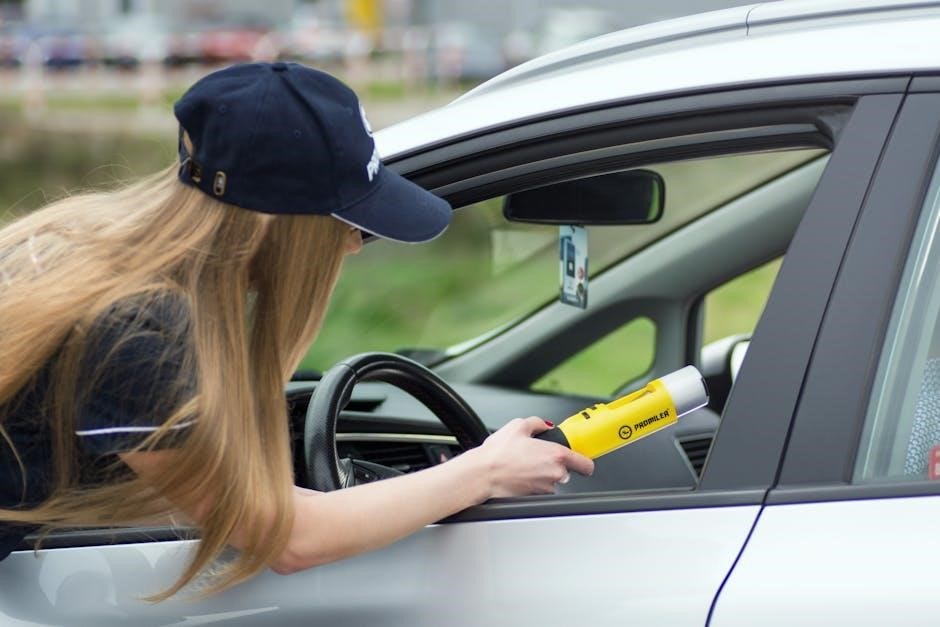
The Importance of a Controlled Testing Environment
Standardized routes and objective data logging are crucial for minimizing bias when applying the “Cars Test” PDF and analyzing observed behaviors.
Standardized Routes and Conditions
To ensure reliable results from the “Cars Test” PDF assessment‚ consistent testing parameters are vital. This includes pre-defined routes with varying stimuli – urban‚ highway‚ and residential areas – alongside controlled environmental factors. Maintaining consistent temperature‚ time of day‚ and minimal external distractions helps isolate responses related to sensory processing‚ minimizing the influence of extraneous variables on observed driving behaviors.
Data Logging and Objective Measurement
The “Cars Test” PDF’s efficacy relies on objective data collection‚ moving beyond subjective observation. Utilizing vehicle data logging systems to record speed‚ acceleration‚ braking patterns‚ steering adjustments‚ and mirror usage provides quantifiable metrics. This data‚ combined with standardized questionnaires‚ allows for a more nuanced and reliable assessment of sensory and behavioral indicators potentially associated with autism.

Ethical Considerations in Using Cars for Assessment
Employing the “Cars Test” PDF necessitates prioritizing privacy‚ data security‚ and avoiding misdiagnosis; responsible implementation is crucial to prevent stigmatization.
Privacy and Data Security
Utilizing the “Cars Test” PDF and associated vehicle data demands stringent privacy protocols. Information gathered – driving behaviors‚ preferences – must be anonymized and securely stored‚ adhering to relevant data protection regulations.
Consent is paramount; individuals must fully understand data collection purposes. Preventing unauthorized access and misuse of sensitive information is ethically non-negotiable‚ safeguarding participant confidentiality and trust.
Avoiding Misdiagnosis and Stigmatization
The “Cars Test” PDF should never be used as a standalone diagnostic tool. Results offer potential indicators‚ requiring confirmation through comprehensive professional evaluation by qualified clinicians.
Over-reliance on car-based assessments risks misdiagnosis and perpetuating harmful stereotypes. Emphasizing individual variability and avoiding generalizations are crucial to prevent stigmatization and ensure respectful‚ accurate assessment.

Future Research Directions
Further studies should standardize car-based assessment protocols and integrate “Cars Test” PDF data with established diagnostic methods for improved accuracy.
Developing Standardized Protocols for Car-Based Assessment
Creating a rigorous‚ standardized protocol is crucial for the “Cars Test” PDF’s validity. This involves defining specific car features to assess‚ establishing consistent testing conditions – like standardized routes – and developing objective data logging methods. A clear scoring system‚ detailed in the PDF‚ must be universally applied‚ minimizing subjective interpretation and ensuring reliable results across diverse participants and settings.
Integrating Car Data with Other Diagnostic Tools
The “Cars Test” PDF data shouldn’t replace traditional autism assessments‚ but rather supplement them. Integrating findings from car-based observations – like route preferences or temperature regulation – with clinical evaluations‚ behavioral analyses‚ and genetic testing could provide a more holistic diagnostic picture. This multi-faceted approach enhances accuracy and reduces reliance on single data points.

PDF Content Analysis: Key Sections and Information
The “Cars Test” PDF likely contains scoring systems‚ interpretation guidelines‚ and illustrative case studies to aid in analyzing observed behaviors and potential indicators.
Scoring Systems and Interpretation Guidelines
The Cars Test PDF’s effectiveness hinges on clearly defined scoring protocols‚ translating observed car-related behaviors into quantifiable data points. Interpretation guidelines are crucial for professionals‚ detailing how specific scores correlate with potential autistic traits.
These guidelines must differentiate between behaviors indicative of autism versus those stemming from anxiety or general driving inexperience‚ ensuring accurate assessment and avoiding misdiagnosis.
Case Studies and Examples from the PDF
The Cars Test PDF likely incorporates illustrative case studies‚ showcasing how the assessment is applied to diverse individuals. These examples demonstrate how specific responses – like meticulous mirror adjustments or strong temperature preferences – are analyzed.
Such scenarios help professionals understand nuanced interpretations‚ bridging the gap between raw data and potential diagnostic indicators within a real-world context.
Resources for Further Information
Autism support organizations and websites offer valuable insights; however‚ direct access to the “Cars Test” PDF remains limited and requires professional inquiry.
Autism Support Organizations and Websites
Numerous organizations provide comprehensive autism resources‚ though specific details regarding the “Cars Test” PDF are not widely publicized. The Autism Society (autism-society.org) offers support and advocacy‚ while Autism Speaks (autismspeaks.org) focuses on research and awareness.
These platforms deliver valuable information about autism spectrum disorder‚ diagnostic processes‚ and available therapies‚ potentially aiding understanding of related assessment approaches.
Links to Download the Cars Test PDF (if available)
Currently‚ a publicly accessible direct download link for the complete “Cars Test” PDF remains elusive based on available online information as of today‚ March 9‚ 2026.
Researchers and clinicians may possess access; however‚ widespread distribution isn’t confirmed. Further investigation through professional networks and academic databases is recommended to locate the document.